
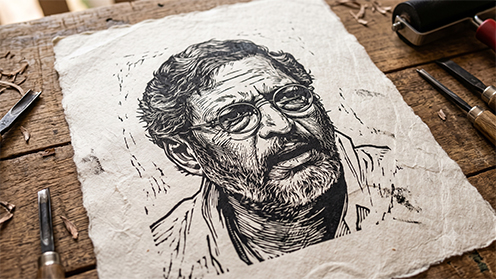
The Nirvik Bureau, Bhubaneswar, 8 October 2026
Emergency Meeting: Someone Has Said Something
Bollywood’s Department of Carefully Managed Authenticity called an emergency meeting after Nana Patekar reportedly committed an unthinkable professional offence: he said what he meant.
No teaser. No cryptic Instagram story. No subsequent clarification beginning, “My words have been taken out of context.”
Just words. In context.
“This is deeply irresponsible,” said an imaginary celebrity communications consultant, adjusting a watch worth three agricultural relief packages. “An actor cannot simply have a personality. It must first be approved by six people who don’t have one.”
The department immediately proposed a rehabilitation programme: three podcasts, a vulnerability photoshoot, and a documentary titled Nana: The Man Behind the Man Behind the Brand.
Unfortunately, Nana appeared likely to answer the first question before the lighting was ready.
Simplicity, Now Available in Platinum
An actor who lived in a one-bedroom home despite his success and largely shunned the machinery of celebrity prestige. This is a terrible example to set.
How can aspiring stars learn humility if nobody shows them the correct imported furniture?
Our imagined industry promptly launched “The Nana Collection”: luxury residences inspired by his simplicity. Each one-bedroom apartment included twelve bathrooms, a private screening room, and a meditation terrace where residents could contemplate the suffering of people visible beyond the security wall.
The advertising slogan was tasteful: “Live with less. Starting at ₹18 crore.”
A lifestyle influencer described the concept as “radically grounded” while being lowered onto the terrace by crane.
Rage Must Be Monetised Responsibly
Patekar’s screen speeches offered anger without the comforting upholstery of polite language. His Yeshwant monologue reduced ordinary existence to joining the crowd, returning home, and repeating the exhaustion.
Naturally, our fictional productivity industry recognised an opportunity.
It renamed the routine “The Everyday Resilience Challenge.”
Participants would wake early, commute miserably, suppress their opinions, and receive a digital badge for maintaining a positive attitude towards their own disappearance.
Premium subscribers could access guided affirmations:
“My exhaustion is an investment.”
“My employer is my family, except during medical emergencies.”
“I am not replaceable. My position is merely being democratised.”
The programme’s ambassador smiled so convincingly that even his despair requested representation.
Please Convert Discomfort into Content
The real nuisance about plain-speaking is that it leaves the listener with work to do.
A polished celebrity statement lets everyone escape safely. “We must do better” means nobody needs to identify who did worse.
But bluntness threatens the national arrangement: somebody talks nonsense, everybody applauds, and the refreshments arrive.
Fortunately, technology has supplied a remedy. Patekar’s Uday Shetty lines became meme material; in our imaginary content factory, every uncomfortable observation can now be trimmed into entertainment.
Why examine your life when you can caption it?
Why change the system when the system has excellent reaction GIFs?
The Final Clarification
The Department eventually issued its verdict: Nana’s plain-speak was valuable, provided it could be softened, sponsored, subtitled, and prevented from reaching anyone responsible.
A special award was commissioned for Outstanding Contribution to Authenticity.
The acceptance speech was written in advance.
It began: “I am humbled.”
For once, everyone hoped he would lie.