The Nirvik Bureau, Bhubaneswar, 18 June 2026
In a scene that would make Woodrow Wilson spit out his powdered wig, President Trump signs a 14-point peace plan that reads suspiciously like a concession memo with free shipping.
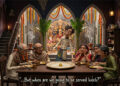
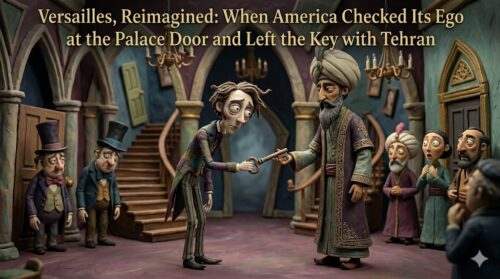
Versailles, June 2026 – The Hall of Mirrors, long used to reflect French vanity and the occasional royal decree, has finally found its true purpose: hosting America’s annual humility ceremony. This year’s keynote speaker, Donald J. Trump, arrived not with a vision for a new world order but with a felt-tip pen and a sense of theatrical timing. History buffs may remember Woodrow Wilson’s Fourteen Points as the blueprint for peace; Trump has repackaged the number as a bestseller in diplomatic downsizing.
“It’s signed,” the president bellowed, which in diplomatic parlance translates to: “I’ve outsourced geopolitics and I’m very proud of the logo on the contract.” Brigitte Macron smiled like a hostess who’d just served cake to guests who brought their own plates – classy, bewildered, and slightly sticky.
The 14-point accord reads like a compromise drafted by a committee of reluctant referees and optimistic accountants. Missiles? We’ll call them “defensive accessories.” Frozen assets? Consider them unfrozen, unplugged, and free to roam. The Strait of Hormuz, once an international waterway, has been rebranded as Iran’s deluxe toll lane – now featuring optional valet service, seasonal discounts, and a loyalty card for frequent transits.
Critics called it an “unconditional surrender” in velvet gloves. Supporters called it “ending a war without further bloodshed.” Neutral observers called it “a buy-one-get-one-free on strategic ambiguity.” Israel, meanwhile, received a clause that politely suggests it consider alternative hobbies to preemptive strikes. Think knitting. Think pottery. Think reforestation. Preferably not targeted and definitely not within Lebanese airspace.
The optics were impeccable. A palace that once symbolised the victors’ swagger is now the stage for America to demonstrate a new foreign-policy posture: strategic conciliation with a side order of dignity. Where Wilson once proclaimed America the saviour, the 2026 edition declared America a thrift shopper who found a deal too good to pass up – and then realised, at the checkout, that the barcode applied to both items.
Trump’s press exit was cinematic: a mimicry of a signature in mid-air – the diplomatic equivalent of waving a receipt and saying, “Trust me, it’s legit.” Reporters shouted questions; he shouted back like a ringmaster whose lion had just been leased to a foreign circus. Meanwhile, accounts unfroze and Iran’s negotiator cheerfully announced tolls for passage through Hormuz, because nothing says peace like monetising a chokepoint.
Historians will argue whether Versailles 2026 will be taught alongside 1919 – as a cautionary tale or a masterclass in pragmatic damage control. Future schoolchildren might ask: did we buy peace or merely take out an installment plan? Did we swap boots on the ground for promissory notes and a pen that looks suspiciously like a souvenir?
One thing is certain: diplomacy, like fashion, cycles. The silhouettes may change, but the hall looks the same – gilded, reflective and full of people who admire the mirror more than the view. The palace may have once seen treaties drawn by an architect of order; today it signed one by a man who treats geopolitics as a deal with good optics and worse fine print. The ultimate irony? Versailles still mirrors power – it just reflected a checkbook this time.