
Shivaji Mohinta, Bhubaneswar, 1 April 2026
The match between one’s ideal self-image and a brand’s perceptual position is central to lifestyle-brand choice. Consumers are far more likely to adopt and stay loyal to brands whose image feels like the “best version of themselves” they aspire to be.
Research shows that higher selfimage congruence—especially with the ideal self—leads to stronger emotional attachment, higher brand preference, and longterm brand loyalty, while a mismatch often reduces the relationship to pure need-based transactions, disengagement, and eventual brand switching.
Vijaypat Singhania, the pilot patriarch who transformed Raymond into a textile giant, passed away on 28 March 2026 at the age of 87. The Padma Bhushan recipient industrialist had often spoken of being sidelined, emotionally abused, and reduced to “a pauper” after handing over control of the company to his son, Gautam Singhania, the current Chairman and Managing Director.
Gautam’s estranged wife, Nawaz Modi, has levelled serious allegations of domestic violence and physical assault against him.
Is this congruent with the brand’s credo?
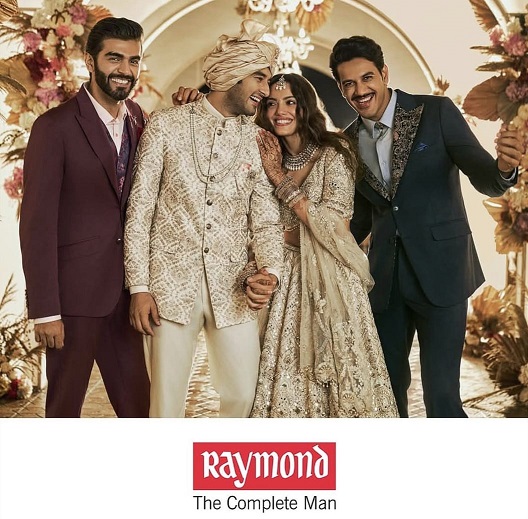
Raymond’s brand identity has long been built around “The Complete Man”—a refined, gentle, family-oriented man who embodies respect, care, and emotional maturity. Yet the behavior of the incumbent CMD sharply contradicts that narrative. These events raise three critical questions:
a) Does this kind of conduct hurt the brand’s emotional equity, or do consumers simply ignore it as long as the product and transaction deliver functional satisfaction?
b) Does the brand lose respect in the minds of consumers—manifesting as cognitive dissonance—when the man at the top undermines the family values and contradicts the “ideal image” the brand portrays?
c) Would you still buy and wear a brand that does not align with your own traditional (Indian) values of respect, care, and dignity—just because the billboard image is more appealing than the reality behind it? It is, after all, about “how I see myself” when I wear that brand.
In the annals of marketing history, Volkswagen had long positioned itself as a responsible, environmentally conscious automaker, promoting clean diesel technology and “Green” credentials to appeal to eco-minded, premium value buyers.
When the 2015 Diesel gate scandal broke—revealing systematic emissions cheating and deception about pollution levels—the gap between the green image and the actual conduct caused a massive backlash. Many owners felt the brand no longer matched their ideal self as “responsible, ecoconscious” drivers and quietly disassociated from it.
Reflecting on the Raymond Singhania controversy, marketing experts have offered nuanced perspectives:
Lloyd Mathias, angel investor, business strategist, and independent director, notes:
“Typically, any controversy is not good for a publicly traded company. Raymond is a strong brand, built over three or four decades, and will not collapse overnight. But boardroom battles cascade onto the organization and the value chain. The corporate brand, the employer brand, and governance optics will take a hit; that, in turn, will create a slowburn erosion of trust.”
Nisha Sampath of Bright Angles Consulting adds:
“The current controversy will likely impact the corporate brand more than the consumer brand. As long as product quality and customer experience remain intact, mass consumers may look past the drama. But for young talent, investors, and partners, leadership behavior, and governance matter immensely. Events like these turn ‘values on paper’ into realtime stress tests.
If the brand is selling “The Complete Man,” then the man at the top should at least be minimally consistent with that promise. When the CMD’s life reads like a betrayal of his father and wife, the brand no longer sells an idea or evokes happy feelings—it contradicts and confuses.
In the age of socially conscious consumerism, contradictions can quietly become catalysts of corrosion. The gap between the brand’s story and the owner’s conduct may no longer be something people are willing to overlook.
Gen Z consumers are increasingly abandoning brands whose values no longer match their ideal self—especially when the man behind the billboard behaves nothing like the “Complete Man” they wish to be.