The Nirvik Bureau, Bhubaneswar, 19 May 2026
When the salesman runs out of credibility, customers start reading labels.
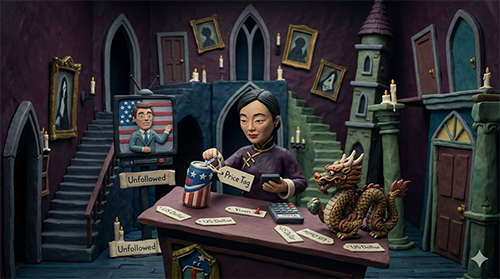
The morning after the world learned that Xi Jinping had “unfollowed” the Great American Bluff, markets reacted the way teenagers respond to a quiet break-up: dramatic group chats, frantic emoji storms, and a sudden interest in self-care. The United States, which had spent decades perfecting the art of the long con – hope, threaten, remind, repeat – woke to find its key audience doing something radical: reading the fine print.
It’s not that America’s brand lacked flair. It has persuasive product placement – Hollywood charisma, Silicon Valley algorithms, a sprinkle of sanctions here, a polite offer of democracy there. For years it sold the illusion that political systems were essentially subscription services: pay in influence, get stability, or at least a convincing tweet when things go sideways. But the subscription model had a catch: automatic renewal required belief. And belief, it turns out, is one of the few commodities now competing with microchips in scarcity.
Xi, diplomatic minimalist that he is, didn’t stage a dramatic pullout. He didn’t post a manifesto or livestream a mic-drop. He simply stopped “liking.” In policy parlance, that’s called strategic disinterest; in social media, it’s ghosting with intent. The message is crisp: we’ve seen the ad, we don’t need the demo version, and thanks, but no insurance upsell.
Observers gasp and check their economic portfolios as if geopolitics were a Black Friday sale. “Will China stop buying American bluff?” asks the pundit who once predicted geopolitics by reading headlines like horoscopes. The better question, however, is who will buy the sequel: The Great American Bluff II — now with more moralizing, improved sanctions, and a cameo by bipartisan nostalgia.
Xi’s announcement is a reminder that global leverage is less about loud declarations and more about willingness to walk past the store. For decades, the U.S. played the role of irresistible shopkeeper: flashy packaging, persuasive demos, occasional refunds. China played the patient shopper, counting yuan, memorizing labels. Now China has put the shopping bag down, inspected the seams, and annotated the return policy.
Behind the satire is a mundane truth: credibility depreciates. Threats without follow-through are just sound effects; alliances that rely on performance art crumble when audiences spot the script. The U.S. could respond in several styles: dramatic repentance, louder slogans, or quietly fixing business practices. Or it could continue to host focus groups of anxious allies while a pragmatic buyer reorganizes the supply chain.
Of course, no one expects immediate, romantic conversions. National relationships are less Tinder and more arranged marriages with trade tariffs. But the optics are delicious: the once-envied arbiter of global taste now markets its brand to an increasingly skeptical world. Meanwhile, China – infuriatingly practical – updates its procurement list: diversify suppliers, secure chips, and, this spring, add independent strategic thinking.
In the end, the Great American Bluff will likely remain on sale: nostalgia has a market, and some buyers prefer comforting stories to inconvenient facts. Yet Xi’s quiet cart-abandonment is a polite but unambiguous review: five stars for strategic patience, one star for theatricality. As geopolitics flips the script, the real question for the next season is who will produce the better sequel – one with real substance, or another glossy premiere built on borrowed applause?