The Nirvik Bureau, Bhubaneswar, 23 March 2026
The art of the ultimatum meets the science of unintended consequences in the latest episode of “Gulf Wars: The Negotiation Menace.”
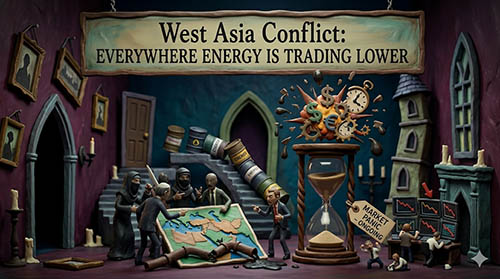
WASHINGTON / TEHRAN / EVERYWHERE ENERGY IS TRADING LOWER: The world watched with the same enthusiasm as a man watching his last fuel coupon expire, when President Donald Trump issued a 48‑hour ultimatum to Iran – because nothing says peace through diplomacy like an armed countdown timer.
According to sources close to the White House tanning salon, the ultimatum was part of an “escalate to de‑escalate” strategy – a phrase that only makes sense in the same alternate universe where ketchup counts as a vegetable. The plan, analysts explained, is to threaten destruction so aggressively that everyone suddenly becomes reasonable. “It’s like yelling ‘Calm down!’ at a volcano,” noted one diplomat, shortly before being reassigned to Guam.
Iran’s response was quicker than a Wall Street trader at a sanctions loophole. Tehran reminded Washington that any attack on its power grid would trigger a counterstrike on US‑linked financial systems and Gulf infrastructure – a sort of ‘Buy One, Bomb One Free’ retaliation policy. Within minutes, energy markets jittered, oil prices sneezed, and desalination plants across the Gulf stocked up on holy water.
Meanwhile, Israel, never one to skip a strategic opportunity, continued air raids to “disable capabilities” – which, experts noted, now includes the Middle East’s last remaining shred of stability. In response, Iran sharpened its endurance game, turning conflict into an Olympic marathon where the prize is simply “not collapsing first.”
Diplomacy by Tweet and Drone
Back home, Trump’s advisors scrambled to translate the situation into electoral math. With gasoline prices climbing faster than Truth Social stock fell, the President needed a symbolic win – ideally one without body bags or headlines longer than his golf schedule. “We’ll strike power plants, but humanely,” he was quoted as saying. “Think surgical strike, but with fireworks.”
Unfortunately, Iran didn’t read the script. Its cyber units were reportedly preparing to gently “adjust” US financial databases, aiming for a new geopolitical balance best described as mutual inconvenience. Even NATO allies, sensing the sharp aroma of another forever war, politely ghosted Washington’s invitations for “maritime escort duty.”
“Escort duty, yes,” one European diplomat sighed, “but not the kind that ends in bankruptcy.”
The Strategic Bind of Being Brash
As the Third Gulf War teeters between sequel and spinoff, the United States faces its classic foreign policy dilemma: escalate and look reckless, or retreat and look weak. Trump, ever the showman, might just rename withdrawal as “strategic relocation” and declare victory anyway – live from Mar‑a‑Lago, under a banner reading Mission Reconsidered.
If this strategy works, historians may finally agree: the 21st century didn’t fail diplomacy – it simply turned it into an action movie nobody asked for.