The Nirvik Bureau, Bhubaneswar, 13 April 2026
The man who taught the world how to “win” may have just lost his own script
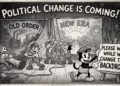
For 16 years, Viktor Orbán has played Europe’s favorite political magician: one hand rewriting constitutions, the other waving away criticism with the confidence of a man who believes democracy is just a decorative curtain. He built an “illiberal state,” which is a wonderfully efficient phrase if you want to sound philosophical while doing the administrative equivalent of locking all the doors and declaring the house open to visitors.
But now, Hungary appears to have discovered a dangerous new habit: voting against the script.
Peter Magyar’s Tisza Party, once dismissed as a fresh annoyance in a room full of old furniture, has reportedly done the unthinkable – it has made Orbán look mortal. Not just unpopular. Mortal. In the authoritarian ecosystem, that is roughly the same as discovering the emperor’s crown is held together by tape and flattering television coverage.
Trump’s favorite political cousin loses the family business
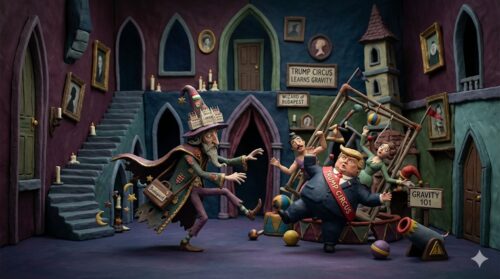
For Donald Trump, Orbán was never just a foreign leader. He was a proof-of-concept, a political cousin who had already tested the family recipe: attack the press, centralize power, flatter nationalist anger, call it patriotism, then serve the whole thing with a smug grin and a microphone.
Orbán was the guy in the neighborhood who told everyone, “This is how you do democracy properly,” while quietly changing the locks. Trump looked at Hungary and saw not a warning, but a blueprint. If Orbán could turn institutions into accessories, why not make the same move in Washington and call it reform?
So if Orbán falls, it is not merely a Hungarian upset. It is a blow to the global right’s favorite fantasy: that one strongman’s success can be copied like a motivational quote on a poster.
The illiberal state meets the very liberal reality of bad polls
Hungary’s election has exposed the awkward truth about “managed democracy”: it works beautifully until people get tired of being managed.
Economic stagnation, rising costs, and the cozy little ecosystem of loyalists feeding off public money have done what years of propaganda could not: they made voters ask whether nationalism is worth paying extra for. It turns out people can tolerate a lot of speeches about sovereignty, but they tend to notice when the grocery bill starts behaving like an invading army.
Even more embarrassing for Orbán, the man who built his brand on defiance, has become vulnerable to the oldest political force in the world: boredom mixed with resentment. Nothing humiliates a self-styled titan faster than discovering the public has moved from fear to irritation.
Moscow frowns, Brussels pretends to be shocked
A Tisza victory would also be bad news for Putin, who seems to have treated Orbán as his most dependable EU side-entrance. If Hungary stops serving as Moscow’s favorite spoiler inside Europe, the Kremlin loses not just an ally, but a useful piece of diplomatic furniture.
Brussels, meanwhile, will react in the usual way: with carefully worded relief, as though it had not spent years watching Orbán dismantle democratic norms with the patience of an accountant and the instincts of a demolition crew.
The lesson for Trump-world
If Orbán’s defeat is confirmed, the global right will face a deeply inconvenient question: what if the “Trump effect” is not a force of nature, but a temporary fever?
That would be a tragic discovery for anyone who has built a movement on the idea that strongmen are destiny. It turns out they are not destiny. They are just politicians with loud megaphones, generous donors, and a remarkable talent for confusing loyalty with legitimacy.
And if Hungary can send Orbán packing after 16 years, then the message to Trump’s political disciples is brutal in its simplicity: the playbook works until voters stop mistaking noise for power.