
Dr. Stalin Mishra, Bhubaneswar, 25 August 2026
Every era presents a nation with a defining question. For India, the question is not whether we possess the talent to become a global leader, but whether we can inspire an entire generation to transform that talent into lasting national progress.
The twenty-first century will not be remembered solely for technological breakthroughs or economic competition. It will be remembered for the nations that successfully converted the aspirations of their young people into innovation, prosperity, and responsible leadership. India is uniquely placed in this race because it is home to one of the world’s largest and most energetic youth populations. Among them, Generation Z represents not merely a section of society but the architects of India’s next chapter.
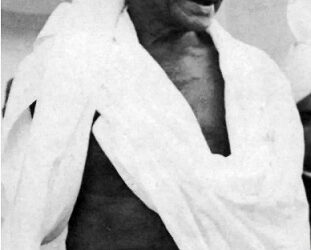
History offers an important lesson. Every milestone in India’s journey has been shaped by its youth. When the country fought for freedom, thousands of young Indians stepped forward with extraordinary courage. And many others did not wait for experience or age to define their contribution. Their commitment reminds us that the strength of a nation has always rested on the conviction of its young citizens.
Today’s young Indians are not called upon to fight for political freedom. Their responsibility is different but equally significant—to build an India that leads the world through knowledge, scientific excellence, technological innovation, entrepreneurship, ethical governance, and social harmony. The battlefields have changed from streets to laboratories, classrooms, research centres, factories, farms, and start-up ecosystems, but the spirit of service must remain unchanged.
Young Indians must also understand that active citizenship is different from becoming instruments of vested interests. A vibrant democracy welcomes debate, peaceful protest, and accountability. Yet it also requires informed citizens who think independently. The nation’s youth should resist attempts to reduce them to followers of political narratives, participants in politically motivated or paid agitations, or amplifiers of misinformation. Their greatest contribution to democracy is not blind allegiance but informed judgment. Their energy is far more valuable when invested in learning, creating, innovating, and solving real problems than when consumed by endless confrontation.
India’s future will not be secured by government policies alone, nor by corporate investment in isolation. It will be shaped by millions of young citizens who choose curiosity over complacency, innovation over imitation, and responsibility over rhetoric.
If the generation that won India its freedom gave us a nation, the generation of today has the opportunity to give that nation its finest century.
The future is already here. It is thinking in our classrooms, experimenting in our laboratories, coding in our hostels, cultivating our fields, serving our communities, and dreaming without limits.
Our responsibility is not merely to celebrate Generation Z.
It is to ensure that nothing prevents them from becoming the generation that transforms India’s promise into reality.